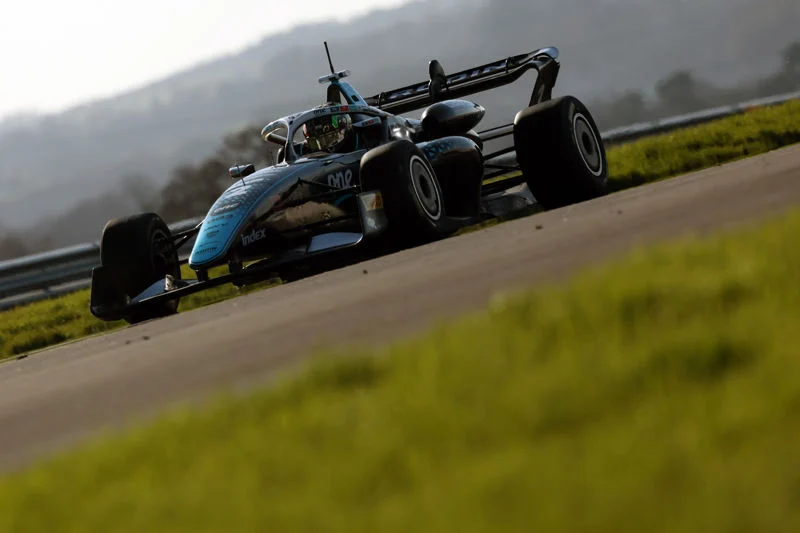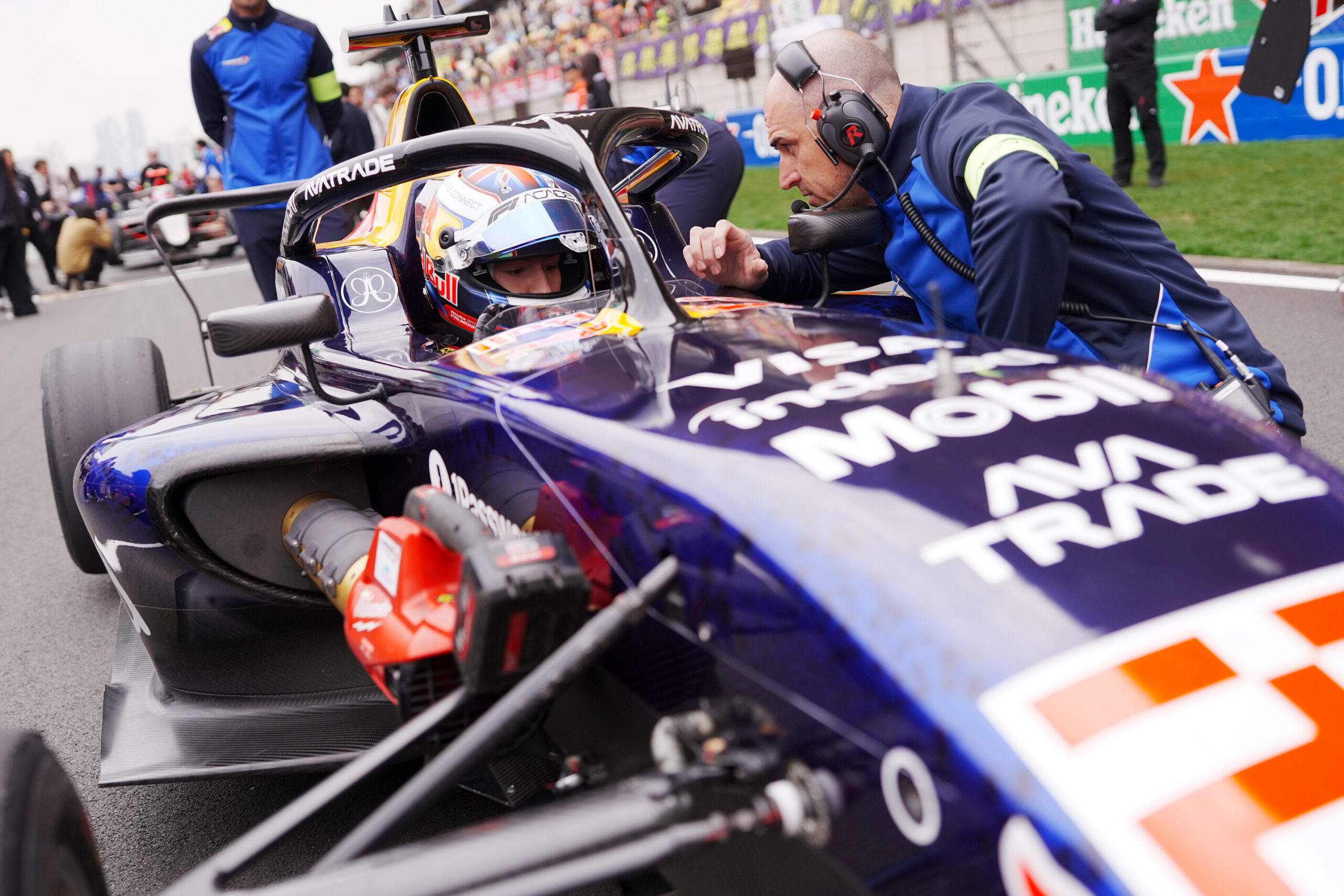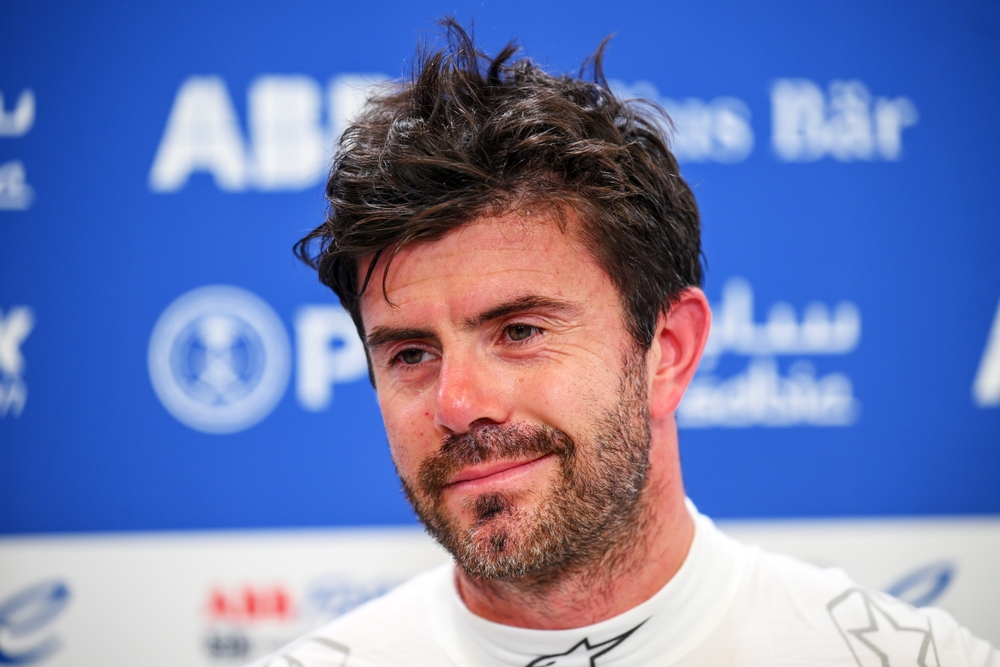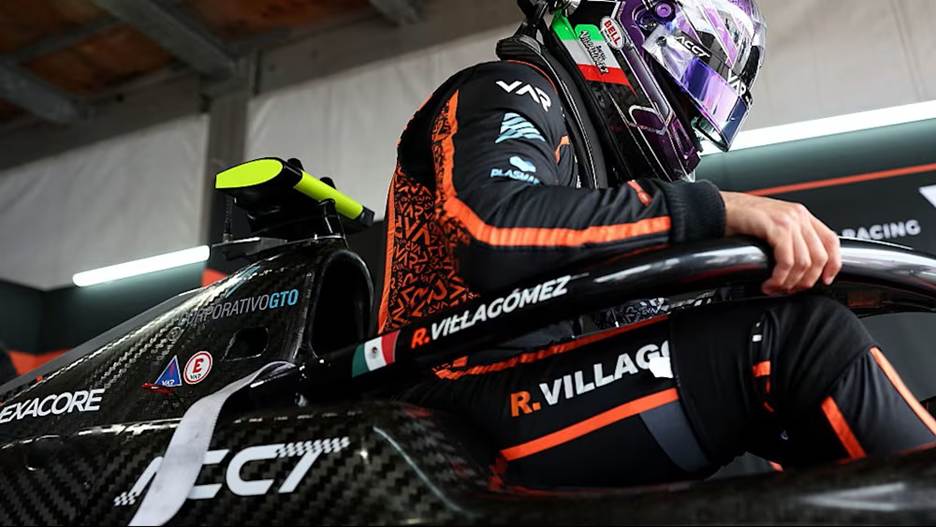
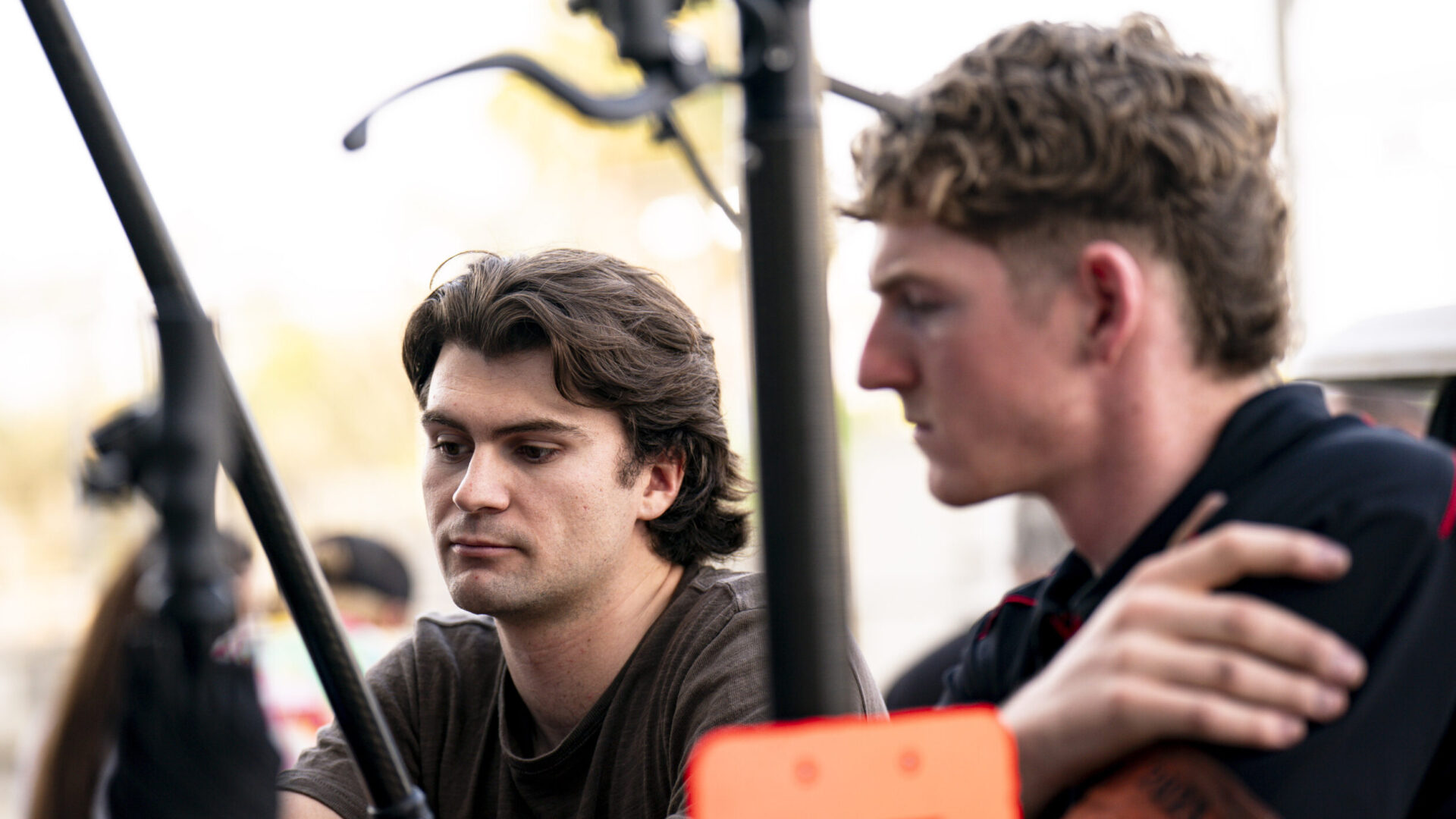
Ahead of the 2026 F2 season, Colton Herta spoke to the media, including Pit Debrief, about his move to Europe, his expectations for the year and how he plans to build towards F1.
Herta’s decision to join the F2 grid came as a surprise to many. The American has committed fully to the European ladder, knowing that the adjustment would be significant both on and off the circuit.
Experience is not a guarantee
When asked whether being one of the older driver pairings on a largely rookie grid would give him an advantage, Herta dismissed the idea that age alone would make the difference.
“Yeah, I don’t think it’s as much of an advantage as people might think. You know, at this stage, whether you’re, you know, 18 or 25, you’re pretty much fully developed there, and there are some small things that you learn along the way, but as far as outright pace, you know, you’re pretty much close to what your maximum will be. But it’s nice to have that experience.”
Instead, he pointed to the value of stability within the team.
“I think what’s very helpful is having Rotomo as a team-mate also. I have a lot of F2 experience, and I think it’s going to be very helpful for me this year.”
Aiming for a podium
Herta approaches the F2 2026 season with a clear mindset. When told that a top 10 finish had been described as an acceptable result, he made it clear that his own targets sit higher.
“I mean, everything that I hop into, I want to be competitive, and I want to be strong. You know, if the goal isn’t just to win, then I don’t really see why you would do it. So, you know, it’s my mindset.”
He refuses to build his campaign cautiously.
“Either how unrealistic it is or how realistic it is, I don’t know. I guess time will have to tell. But, you know, everything that I do in motorsport, I try to do 100%. And, you know, I think if you go into the mindset of, oh, you know, well, you know, let’s try to work off and start inside the top 15 and then move forward from there, yeah, I just don’t think it’s the right approach. So, for me, I want to be as quick as possible. I want to lead sessions. I want to win poles. I want to win races. But I guess time will tell how difficult that is.”
His focus remains fixed on the front of the grid.
Reaching the goal of F1
Part of his long-term plan includes F1 mileage. Herta confirmed that he is set to take part in FP1 sessions during the upcoming season, an opportunity he views as essential preparation.
“Well, I mean, seat time in an F1 car is probably going to be the most important thing to get me ready for Formula One. So, yeah, looking forward to that.”
Even so, he keeps his priorities grounded in the present.
“Obviously, it’s a big task and a big job that they have on. So I don’t know exactly when those FP1s are going to come. It’s pretty far down on the priority list at the moment. But it’s been exciting. It’s very exciting to see them testing.”
He added that early feedback from within the programme has been encouraging.
“You know, I think talking to a lot of people, they’re very happy with how it’s going. I think they’ve seen some bumps along the way, but they’re very excited about the progress that they’re getting. So it’s cool to see and I’m excited to get started.”
The transition to F2 has required a significant technical adjustment. Herta described the change in driving style and car characteristics as dramatic.
“Yeah, I would say it’s almost like a 180. It is the driving style and the feel that this car produces is extremely different to everything that I’ve driven previously. So it is a big jump. It is a big difference. There’s a lot of stuff to get used to.”
Testing has brought improvement, but he admits he has not yet reached complete comfort.
“And I think as you saw at the test, it’s getting better. But from my side, I just don’t think it’s completely fluid yet. So it’s still going to take more time to get completely used to it and be like, okay, this is what I need to do. This is what I need to brake and know all these things pretty precisely before I get in the car. I’m just not there yet. But it’s getting close.”
Herta understands the scale of the challenge ahead. He also understands what he wants from it. He wants to lead sessions. He wants to win poles. He wants to win races. Time will determine how quickly he adapts.