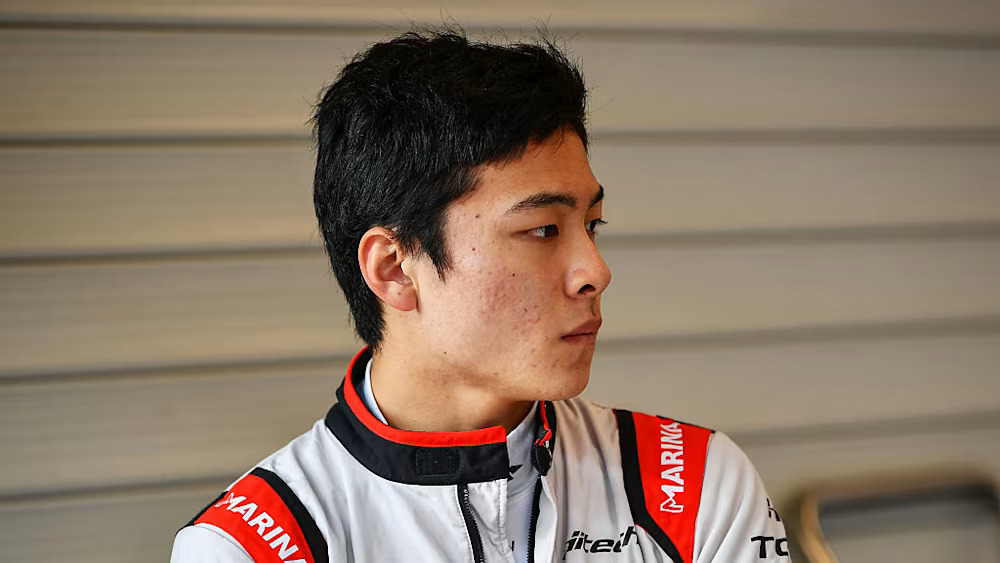
Jin Nakamura heads into the 2026 FIA F3 season with significant momentum after an impressive campaign in the Castrol Toyota Formula Regional Oceania Trophy (CTFROT), and having previous experience in Formula Regional European Championship by Alpine (FRECA).
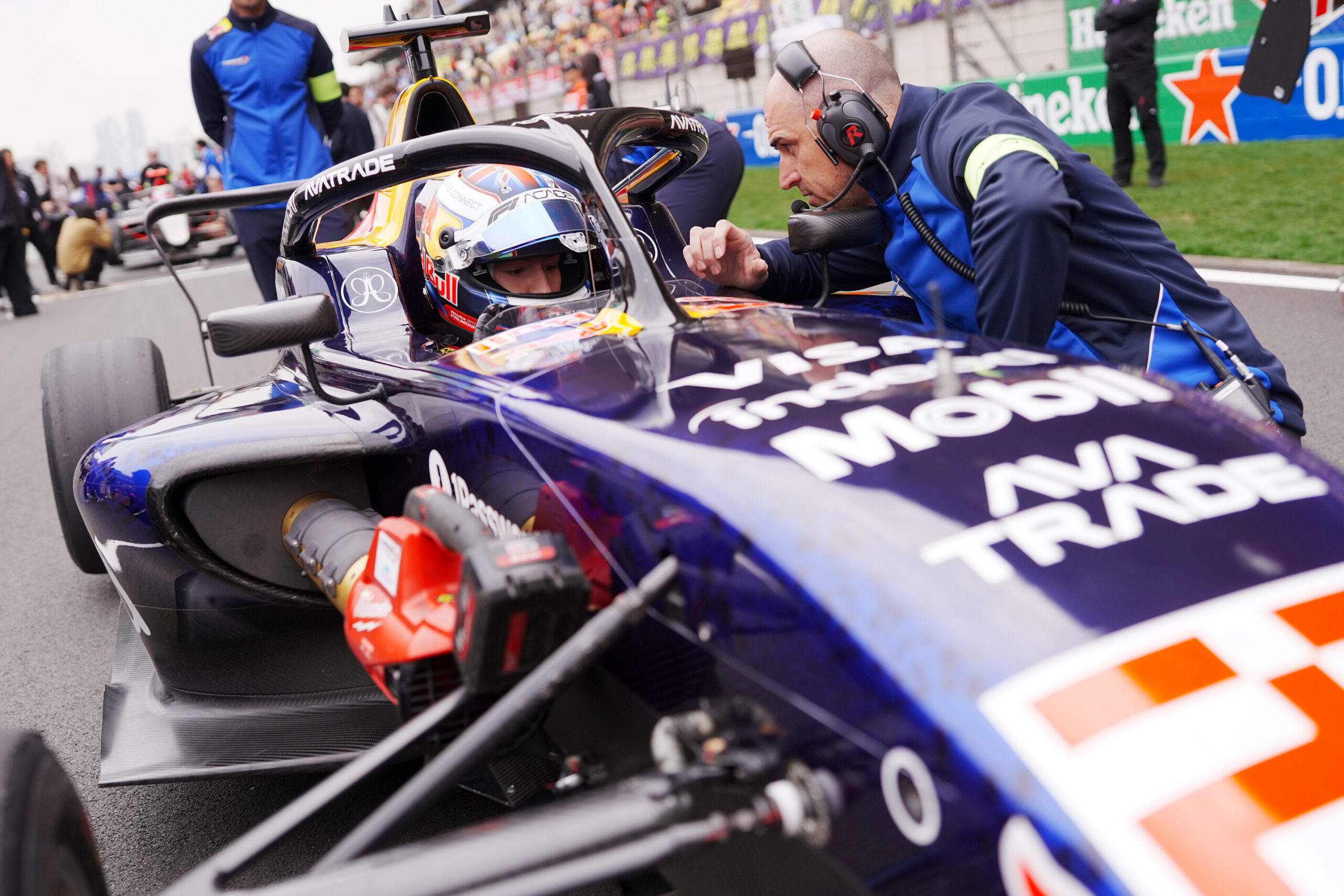
During a recent virtual media session attended by Pit Debrief, the Japanese driver reflected on the lessons gained across both championships and outlined his anticipation for his rookie FIA F3 campaign with Hitech.
Nakamura’s 2026 CTFROT campaign
The New Zealand-based series has long served as a ground for emerging single-seater talent, delivering competitive grids, varied circuits and valuable mileage ahead of the F3 season.
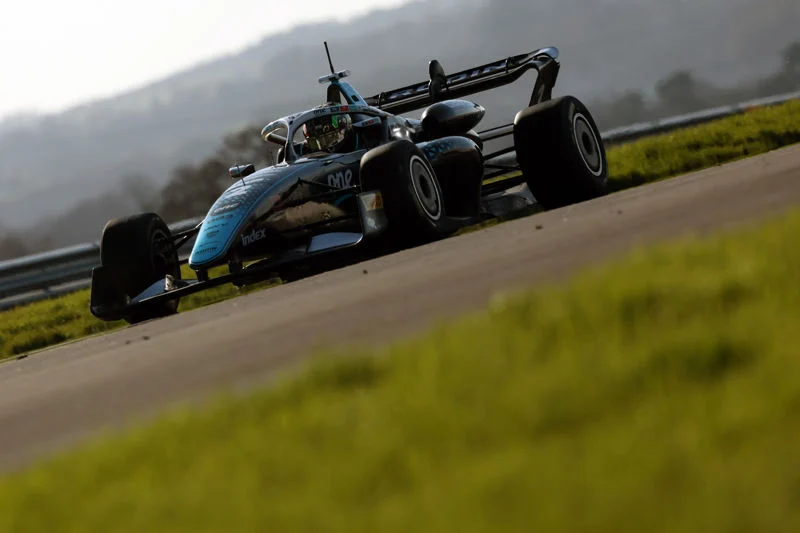
Competing for Hitech across the four-round championship, Nakamura delivered a breakout performance that underlined his credentials as a serious contender for F3 in 2026. He finished 4th overall in the standings with 293 points, securing six podium finishes from 15 races and consistently running at the sharp end of the field.
The highlight of his campaign came at the 70th New Zealand Grand Prix at Highlands Motorsport Park, where he claimed a statement pole position by out-qualifying eventual champion Ugo Ugochukwu. Earlier in the series at Teretonga Park, Nakamura showcased his outright speed by setting the fastest lap in Qualifying 1. Although a three-place grid penalty for bringing out a red-flag dropped him to fourth on the grid, his pace remained undeniable.
Beyond raw performance, Nakamura also demonstrated maturity under pressure. At Taupō, a front-wing failure in the braking zone for Turn 12 in Race 2 sent the wing beneath his chassis, yet he calmly avoided contact and guided the car back to the pits for repairs, a moment that highlighted both his composure and race craft.
His racing history
Before making the jump to the FIA F3 Championship in 2026, Nakamura built a steady foundation through the junior ranks. He spent two seasons in the Japanese F4 Championship, finishing fourth in 2022 before improving to second overall in 2023, a campaign that firmly established him as one of the category’s leading contenders.
In 2025, he expanded his programme onto the international stage. He began the year in the Formula Regional Middle East Championship (FRMEC), where he finished in 10th overall in a highly competitive grid, gaining valuable experience on unfamiliar circuits.
He then transitioned to the Formula Regional European Championship by Alpine (FRECA), widely regarded as a direct stepping stone to FIA F3. Competing against some of the strongest young talents in Europe, Nakamura again finished 10th overall, demonstrating consistency as he adapted to tracks and race formats.
From 2026 onwards, FRECA will officially be rebranded as the FIA Formula Regional European Championship (FIA FREC), after being formally adopted by the FIA for its inaugural season under the new name, further strengthening its position within the single-seater ladder.
Comparing FRECA to F3 machinery

However, despite FRECA’s position in the single-seater ladder, the step up to FIA F3 is far from straightforward.
When asked by Pit Debrief what his preparations have looked like heading into his rookie F3 season, Nakamura pointed his CTFROT campaign and FRECA as key foundations for 2026.
“Yeah, I was racing in New Zealand this winter. So, yeah, I got even more experience in there,” Nakamura explained, reflecting on his CTFROT preparations.
“I think, yeah, F3 is much different from FRECA. Like, we have DRS and tyres are kind of tough, quite easy to get degradation. Yeah, we did a lot of racing during the testing days. So, yeah, it’s much different, but yeah, I’m looking forward to it.”
While FRECA machinery places a premium on mechanical grip and precision through high-speed corners, the step up to FIA F3 in 2026 for Nakamura introduces a new layer of strategic complexity. The addition of DRS in F3 fundamentally changes race dynamics, placing greater emphasis on slipstreaming, overtaking execution and defensive positioning across both Sprint and Feature races.
Tyre behaviour, however, remains one of the most decisive differences. In FIA F3, degradation plays a significantly larger role than in FRECA, shaping everything from qualifying preparation to long-run race pace. Drivers must carefully balance aggression with conservation, ensuring performance is maintained across evolving track conditions. Mastering that balance will be crucial as Nakamura transitions fully into the demands of F3 competition in 2026.