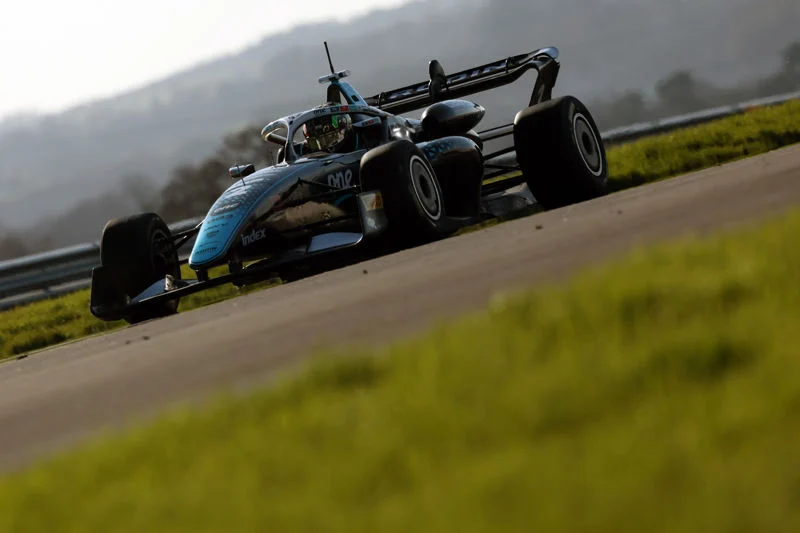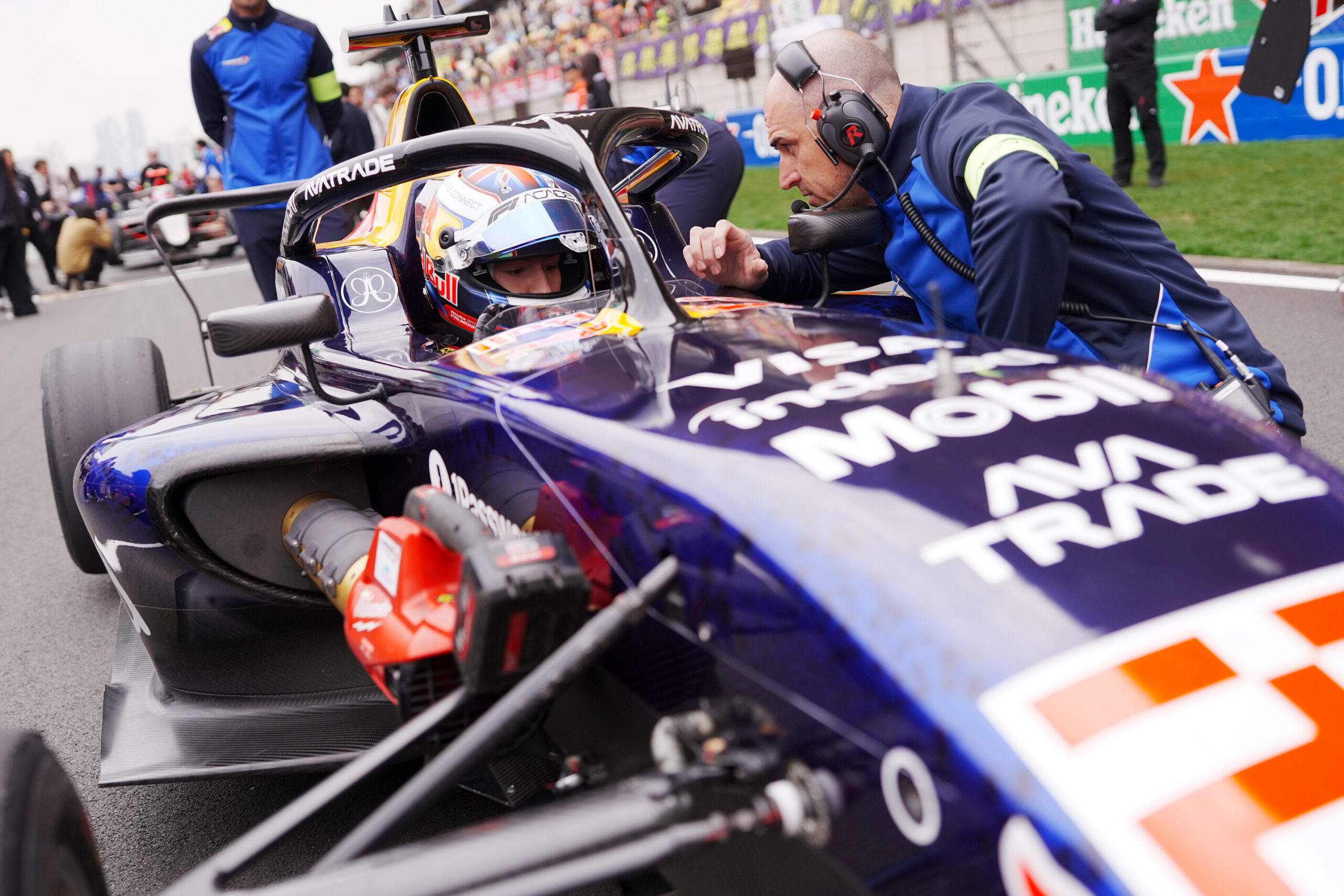
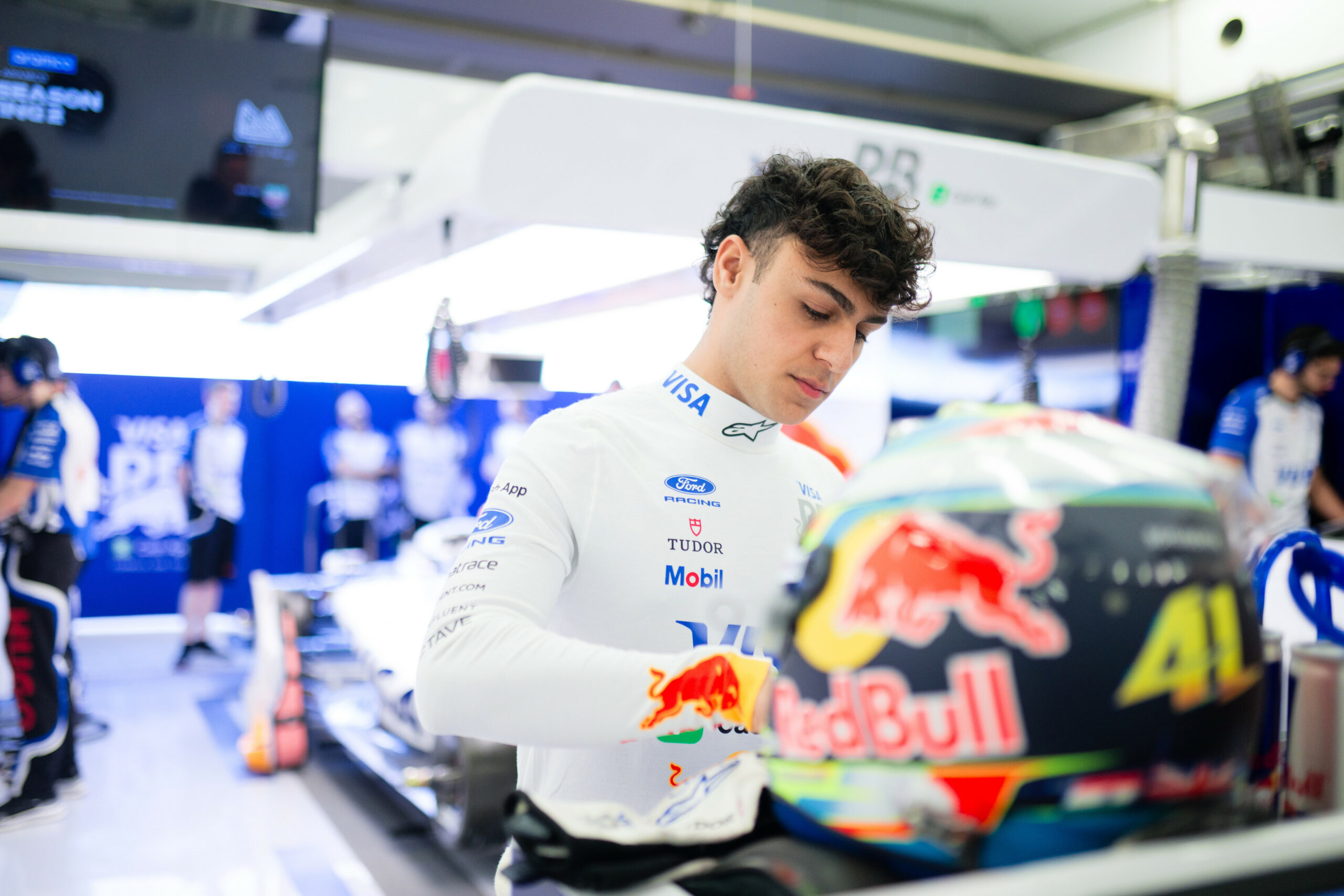
Racing Bulls rookie Arvid Lindblad discussed his first experience behind the wheel as a full-time F1 driver during 2026 pre-season testing in Bahrain earlier this month.
The 18-year-old Red Bull academy driver is the sole rookie on the grid this season, making his debut amid major changes to F1’s technical regulations.
On adapting his driving style to maximise performance
“It’s different, yes,” he said when asked about adapting his driving style after previously running the older-generation cars. “And there is different things we have to do. I don’t know, I think it’s the way it is, and I think it’s just about… We’re still trying to understand what we have. The PU and stuff is very different, so we’ll see.”
Lindblad made it clear that learning remains his primary objective as he and the team prepare for the upcoming season opener in Melbourne.
“I think for all of us, the change is very different,” he explained. “So just trying to really understand the car, understand the PU, I think there’s a lot I still want to experiment with, and just try to build up that knowledge pool in my head to start the season.”
The complexities and challenges of 2026 F1 cars
One of the talking points during testing has been the increased technical complexity of the 2026 cars. Instability under downshifts has been noted as one of the challenges drivers have encountered during running, particularly when selecting a lower gear than the car naturally prefers.
“Yeah, it’s not been easy,” Lindblad said. “That is something that we’re all kind of experimenting with. And I think it’s kind of normal. When you have a new engine, there’s going to be things that aren’t perfect.
“And then also because of the regulations, there is a tendency of us having to run lower gears, which makes those downshifts even worse. But we’re all working on it, we’re trying to improve it.”
Some drivers appeared better able to tolerate car instability, using it to their advantage in the corners. Lindblad admitted that greater tolerance can potentially help unlock lap time, but added that it’s not easy to master that kind of control.
“Yes and no,” he said when asked whether higher tolerance equates to better performance. “For sure if you can tolerate more it helps. Normally it’s not the easiest to control though, because it’s not super predictable.”
Asked whether the new, fluctuating demands for energy harvesting in the 2026 cars might explain the inconsistency in behaviour, Lindblad answered: “I would say they are reasonably on top of that.
“But it’s more the fact that things aren’t identical every lap. Sometimes you brake a metre later and you downshift a metre or two later, which is a different point of the corner, which has a bit of a difference. It’s an area still to be improved on. I wouldn’t say it’s really harvest or anything related to that.”
Focusing on the positives
Despite the challenges, Lindblad said the overall strength of the power unit has been a positive for Racing Bulls during F1 2026 pre-season testing. He managed to complete 159 laps throughout Test 1, adding a further 240 laps during Test 2—the most out of all the drivers running during the three-day programme.
Lindblad praised the performance and reliability of the power unit created under Red Bull’s new partnership with Ford, saying: “I think generally it’s not been too bad though, and I think it’s full credit to Red Bull and Ford, because the engine’s been strong and reliable.”
However, he cautioned against trying to predict the pecking order this early.
“I guess the only thing I’d say is that… Let’s just wait and see until Melbourne, because after Barcelona everyone was saying that Mercedes is on another planet, and now all of a sudden the Red Bull is on another planet, so…
“It’s been very good, it’s been strong, it’s been reliable, it’s been good to drive, so full credit to them, and let’s just see at Melbourne.”