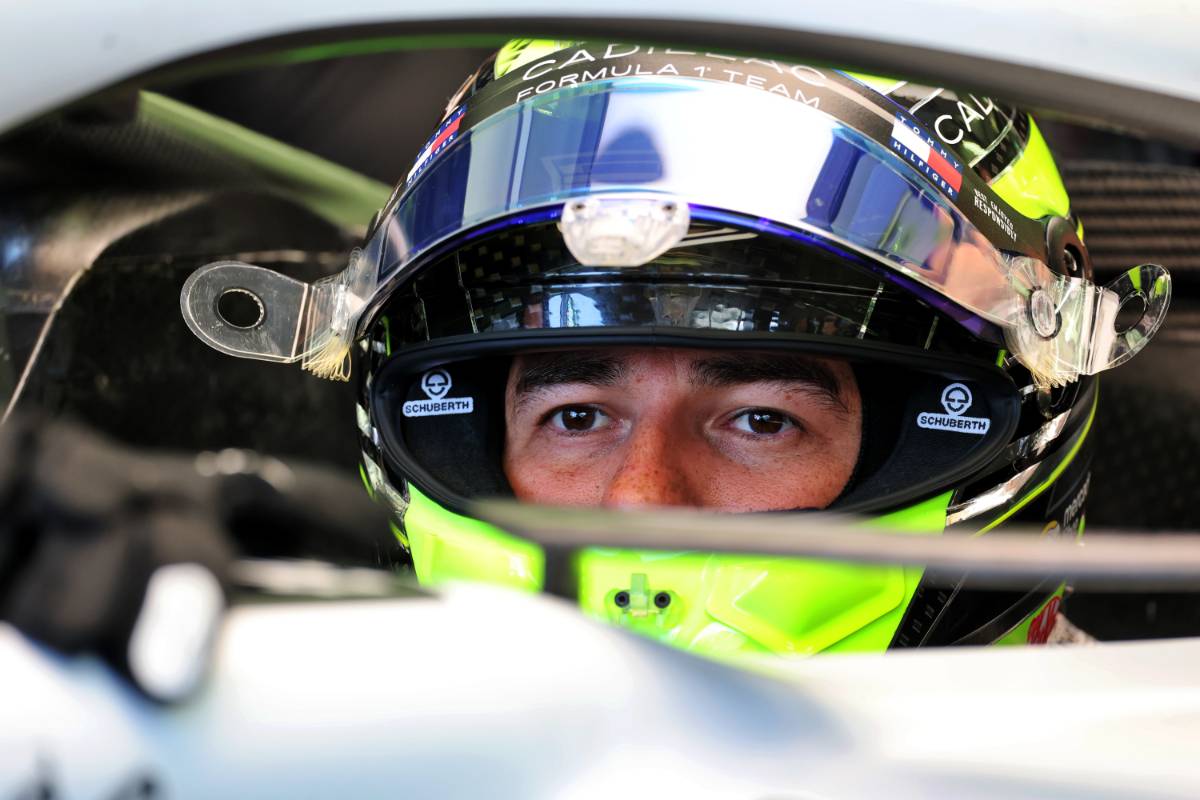
Sergio Checo Pérez is returning to F1 in 2026 with Cadillac at the Australian GP, a major change to his racing career.
The former Red Bull driver is preparing to make his comeback with the sport’s newest team at the Australian Grand Prix this weekend. He’s made it clear that the team is looking for progress, not podiums, in their early days.
“At this stage it’s all about the progress that we are able to make, getting all the pieces together, all the different departments getting to work together to be able to develop,” six-time race winner Pérez explained.
“From what we’ve seen in Bahrain, we have to out-develop other teams that have been in this sport for so many years. It’s not going to be an easy task for Cadillac.”
From Red Bull pressure to starting again at a new team in 2026
For a driver who spent four F1 seasons dealing with the pressure of a championship-winning team, Pérez is now dealing with a major shift in priorities.
With new regulations for 2026, the playing field has been slightly levelled, as every team faces new unknowns going into the Australian GP. The drivers are facing a big task.
“Procedure-wise, you know, this new generation of cars, you can lose so much lap time on your quali lap, for example, if you don’t get the energy deployment or the out lap correctly.
“I think fans and even drivers, we’re learning so much on these new regulations… this first weekend, it’s all about trying to minimise the mistakes that will happen, and if we’re able to do that, there can be a lot of surprises out there this weekend.”
Simulator struggles before testing
Pérez noted the disconnect between Cadillac’s F1 simulation tools and how the car feels on track ahead of the 2026 Australian GP.
“Obviously being new, our simulator is a little bit far from the reality,” he admitted.
“Getting it in Barcelona was very tricky with the track temperature plus the engine, the deployment was completely off, so we had a lot of telemetry issues. To me, this has been the biggest rule change I’ve had in my career.”
Cadillac has attempted to build its infrastructure as quickly as possible, but time is a resource that the team cannot manufacture.
“You’re going to see a lot of variety, a lot of learning in these first couple of races. As a team, we just have to be ready to take any opportunity that comes up.”
Energy deployment and Pérez starting from scratch at 2026 Australian GP
When asked whether Cadillac is focusing on car updates or procedural improvements at the 2026 Australian GP, Pérez said that for now, process takes priority over parts.
“I think right now it’s a lot about procedure, making sure that we are able to complete all of our pit stops, all of our race trim,” he said.
“Getting all that data is crucial for us, because that’s the best way to find performance going forward.”
Talking about F1 energy deployment, a weakness flagged during Bahrain testing, Pérez confirmed some progress.
“We did improve a lot. It was the first time that we tried the out lap procedures properly. We don’t have the same grip level that Ferrari has, so just adopting their simulation tools can be very tricky on our side.
“We kind of had to do our own simulation tools to make sure that we got the best out of those.”
While Cadillac uses Ferrari power units, every team’s chassis, aerodynamics and cooling requirements differ, meaning energy recovery strategies are not the same.